Engineering reply within 12 working hours
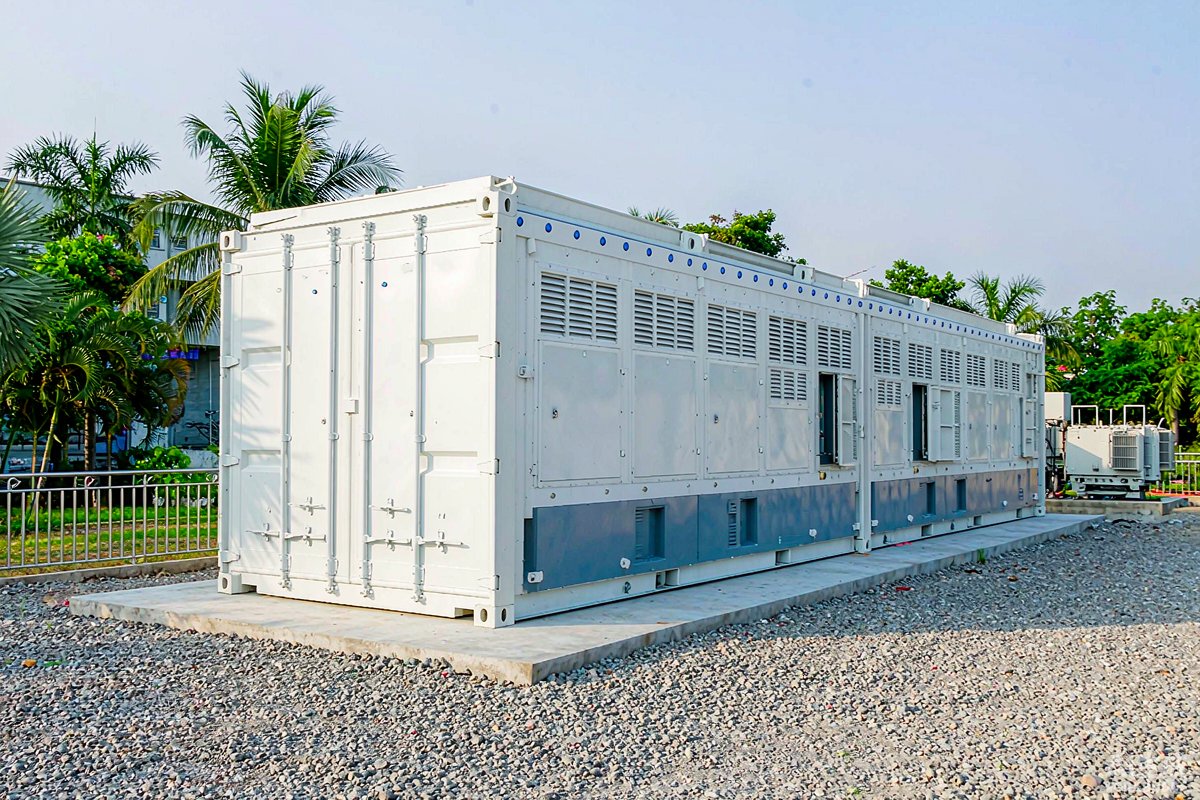
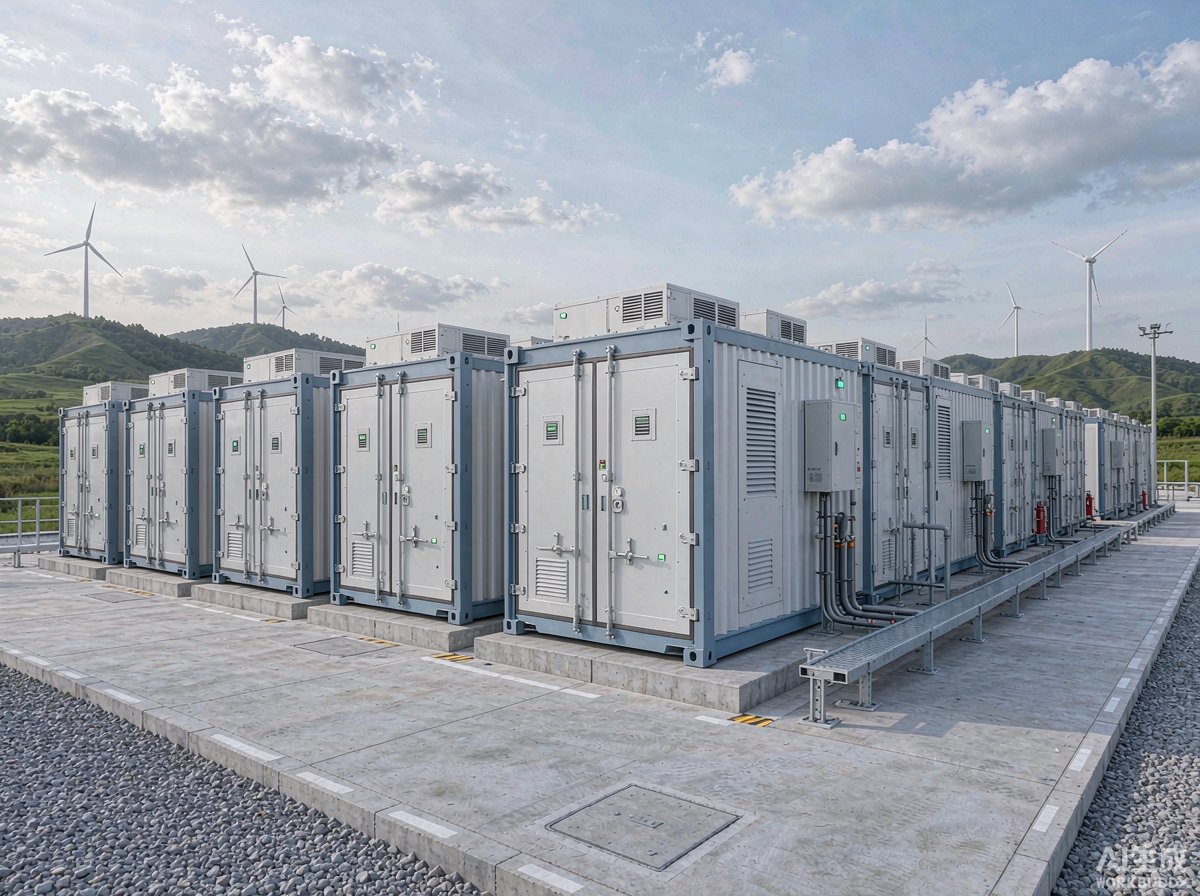
Rows of containerised battery storage units standing on a gravel yard beneath wind turbines
Home/Solutions
Case library

The same requirement, a cheaper pack.

Four projects where the cell had already been chosen by someone else. In each one we re-ran the selection: parallel strings, cell count, cost per delivered kWh and what the change does to assembly. The numbers below are the actual deltas.

Requirement

Voltage, usable energy, mechanical envelope, duty cycle.

Baseline

What the drawing already specifies, priced as drawn.

Re-selection

Every cell in the class, both string counts, cost and cycle life.

Delta

Cells removed, cost per kWh moved, what gets harder.

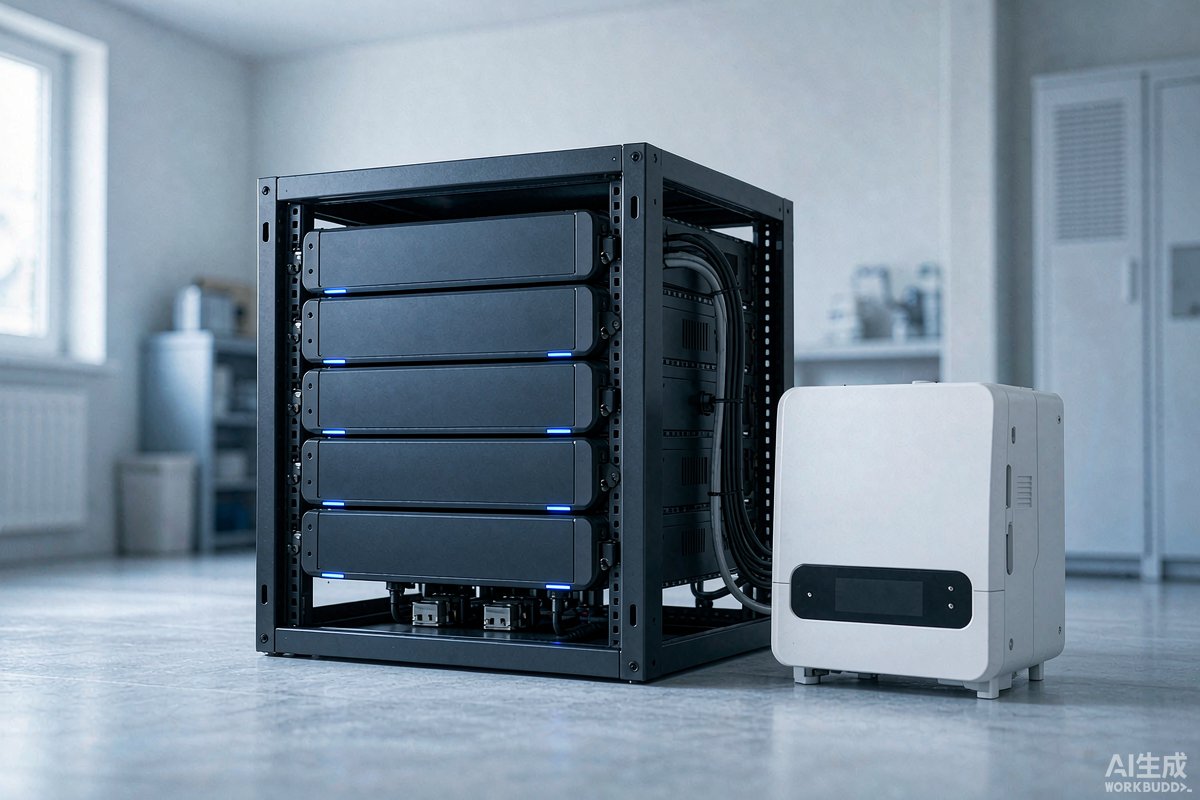
Residential ESS · 16 kWh Indoor residential battery cabinet with stacked LFP modules
Case 01 · Residential

48 cells became 16. Cost fell 21%.

A 16 kWh wall cabinet at 51.2 V had been drawn with 3P of 100 Ah. The pack met the energy target, but three parallel strings of small cells means 48 welded joints, 48 voltage taps and a BMS with three times the balance load.

Requirement16 kWh usable · 51.2 V (16S) · ≤ 60 kg cabinet · indoor, 6,000+ cycles
Baseline16S3P × 100 Ah — 48 cells, 15.4 kWh delivered, cell cost 146.5 index/kWh
Re-selection16S1P × 314 Ah — 16 cells, 16.1 kWh delivered, cell cost 115.6 index/kWh
−67%Cells
−21%Cell cost / kWh
−32Welded joints
+4.5%Energy delivered
BasisAs drawn · 100 AhRe-selected · 314 Ah
Configuration16S3P16S1P
Cells4816
Energy delivered15.4 kWh16.1 kWh
Cell cost index / kWh146.5115.6
Rated cycles4,0008,000

Trade-off: a single string cannot be partially replaced in the field. For projects with a service contract, we quote 2P of 150 Ah instead — 32 cells, still 15% below the original cost index.
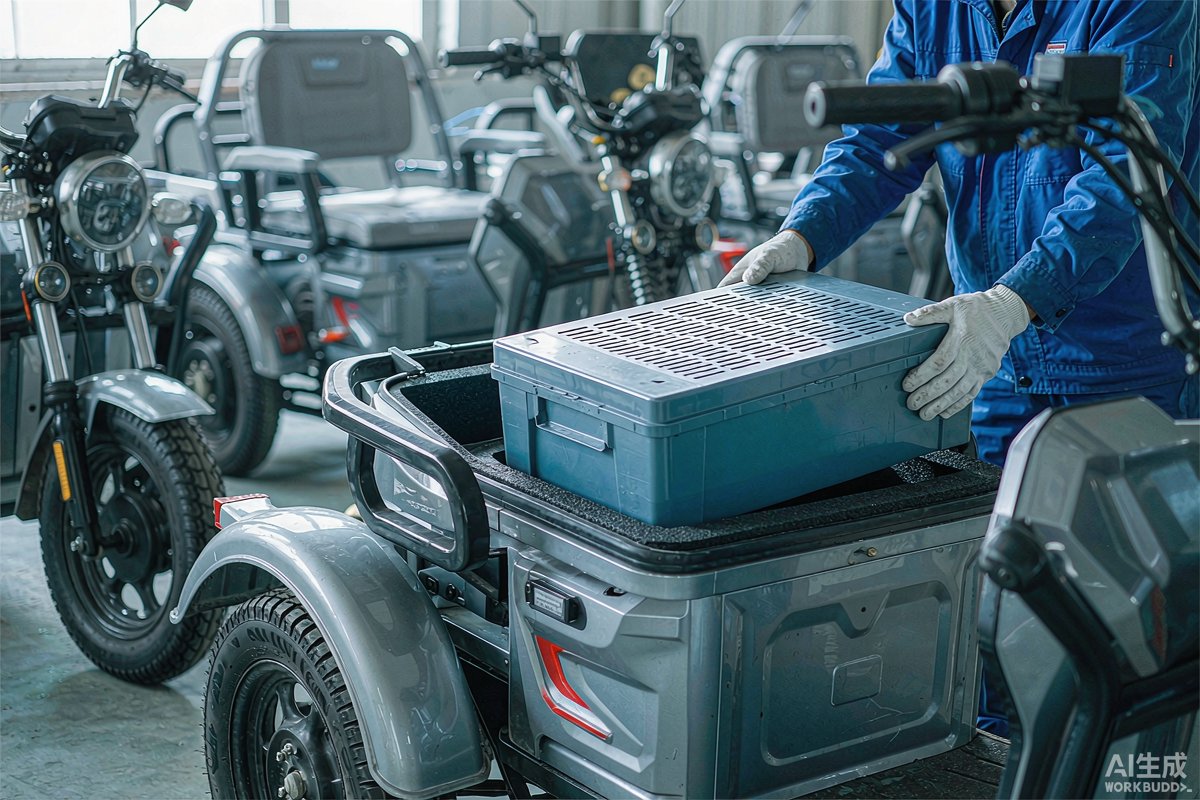
Light EV · 5.1 kWh Battery pack on an electric two-wheeler
Case 02 · High rate

Two 20 Ah cells, two different businesses.

A 60 V pack for a delivery fleet and the same pack for retail riders are not the same product. The fleet buys on cost per kilometre this year; retail customers complain about range after two summers.

Requirement5.1 kWh · 60 V (19S) · 4C peak for 10 s · removable pack
Fleet buildGOTION 30 Ah · 19S3P · 57 cells · 5.5 kWh · cost index 87
Retail buildEVE 15 Ah · 19S6P · 114 cells · 5.5 kWh · cost index 105, 6C rated
−13%Fleet cost / kWh
6CRetail continuous
2,500Cycles both grades
BasisFleet · GOTION 30 AhRetail · EVE 15 Ah
Configuration19S3P19S6P
Cells57114
Continuous rate4C6C
Cost index / kWh87105
Pack weight≈ 41 kg≈ 49 kg

Neither pack is "better". We quote both, mark which one fits the customer's cost of ownership model, and let the buyer choose.

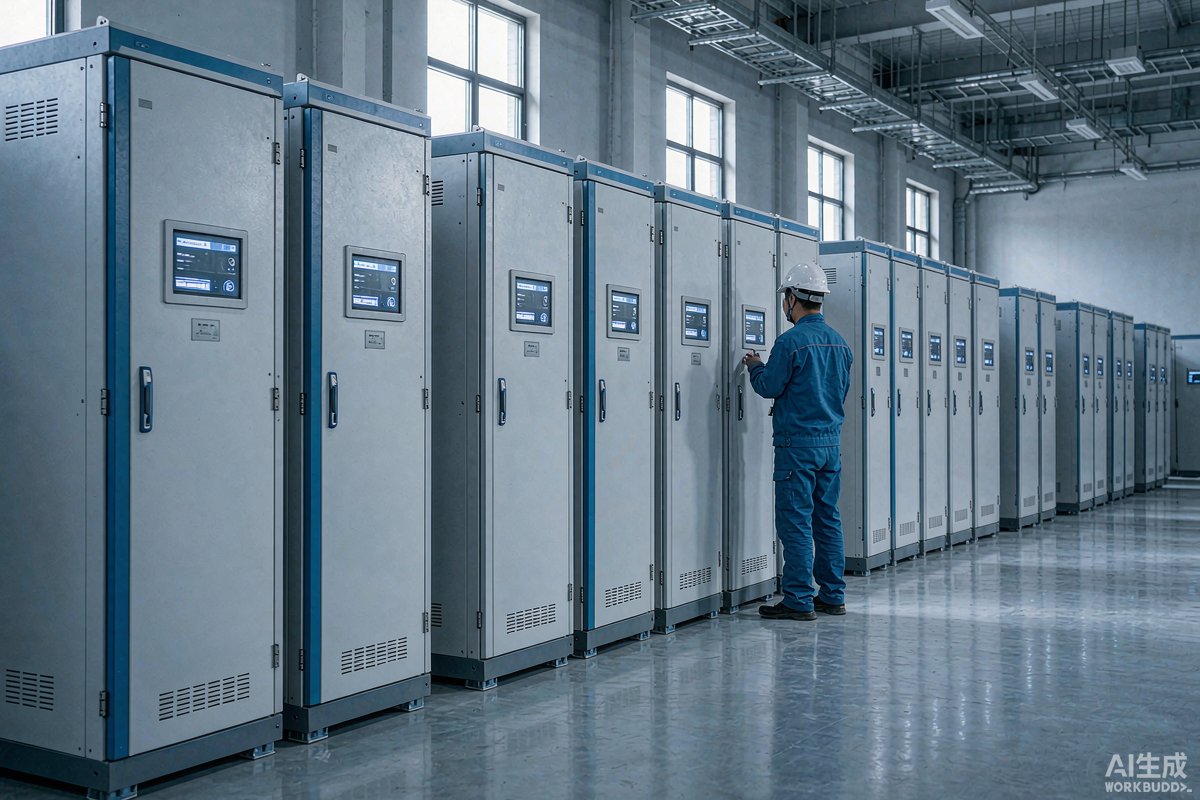
C&I · 215 kWh Commercial and industrial battery cabinets in a plant room
Case 03 · C&I

One cell across three cabinet sizes.

An integrator was running 280 Ah in one cabinet size and 100 Ah in another. Two SKUs, two grading lots, two sets of spare modules. The 768 V DC bus fixes the string at 240 cells — so the only variable is capacity per cell.

Requirement215 kWh · 768 V (240S) · 0.5C · 19-inch rack modules
BaselineEVE 280 Ah · 240S1P · 215.0 kWh · cost index 125 / kWh
Re-selectionCORNEX 314 Ah · 240S1P · 241.2 kWh · cost index 115.6 / kWh
−7.5%Cell cost / kWh
+26kWh per cabinet
−1Cell SKU
BasisBaseline · 280 AhRe-selected · 314 Ah
Cells per cabinet240240
Energy per cabinet215.0 kWh241.2 kWh
Cell cost index / kWh125.0115.6
Rated cycles6,0008,000

The cabinet gets heavier and the shipping weight per unit changes — documents were reissued with the new module weight before the first shipment.

Container BESS · 5 MWh Containerised battery energy storage system on site
Case 04 · Utility scale

When half the cells costs 9% more.

The instinct is that the biggest can always wins. At 5 MWh it nearly does: 684 Ah halves the cell count and the busbar count, but the cell itself carries a premium. This is the case where the honest answer depends on what the factory is short of — money or assembly hours.

Requirement5 MWh · 1331.2 V (416S) · 0.5C · 20 ft container
Baseline314 Ah · 416S12P · 4,992 cells · 5,016 kWh · index 115.6 / kWh
Re-selectedSUNWODA 684 Ah · 416S6P · 2,496 cells · 5,460 kWh · index 125.0 / kWh
−50%Cells
−50%Busbar joints
+9%Cost / kWh
−12%Rack footprint
Basis314 Ah684 Ah
Cells4,9922,496
Energy5,016 kWh5,460 kWh
Cell cost index / kWh115.6125.0
Assembly hours / MWh100≈ 58

We recommend 314 Ah unless the customer's line is already joint-limited. In that case the 684 saves more in labour than it costs in cell price — and we say so before the purchase order, not after.

How the numbers are built

No black boxes. You get the model.

Every case above is reproducible in the configurator on this site: same cell list, same string arithmetic, same cost index. If our number differs from your BOM, one of us has a wrong input — and it is usually the freight, the grading, or the assembly assumption, not the cell.

Assumptions, stated plainly
Nominal cell voltage3.2 V, series = round(V ÷ 3.2)
Energy targetAccepted within −5% / +15% of the request
Cost indexRelative to a standard supply in the same application
ExcludedBMS, enclosure, harness, freight, duty, assembly
Cycle lifeManufacturer rating at stated end-of-life retention

Index figures are internal comparators, not prices. Prices are quoted per project and confirmed in writing.

Your project next

Send the requirement. We will send back two builds.

Voltage, energy, application, and the constraint that hurts most — cost, weight, space or lead time. That is enough to start.